
You've watched someone do everything right and still lose everything.
Updated edition coming soon
The book your boss doesn't want you to read — and the one that started everything else.
Burke Hedges · The first book · 1992
Who Stole the American Dream?
The Book Your Boss Doesn't Want You to Read
In 1992, Burke watched good, hardworking people lose everything they'd been promised — and get told it was somehow their fault. He wrote this book instead of staying quiet about it. It sold 1.3 million copies.
While you wait, the free preview is from The Parable of the Pipeline.
 Original published cover
1992
First published
1.3M
Copies sold
3.88 / 5
Goodreads rating*
Coming soon
Updated edition
Why Burke wrote it
Some things were too important to stay quiet about.
In 1992 I was one of the top distributors in this business, and I was tired. Tired of watching people do everything right — show up, work hard, stay loyal to one company for twenty years — and still get handed a box for their desk and a severance package that didn't cover the mortgage.
Tired of watching good people get defensive every time someone called what I did a scam, when nobody had ever once sat down and explained to them what actually happened to the American worker.
So I wrote it down. The whole truth, as I saw it. I called it Who Stole the American Dream? and I gave it a subtitle that told you exactly where I stood: The Book Your Boss Doesn't Want You to Read.
Where it began
1992
One book that started the other nine.
An early challenge to the usual story about jobs, work, freedom, and what people can build for themselves.
You may recognize this
Ever asked the hard questions?
This book was written for people who want a direct argument rather than a slogan.
You've been told this business is a pyramid scheme, and you want a straight answer, not a slogan.
You distrust conventional business, and you've never had anyone make the case for an alternative in plain words.
You lead people and want the argument made once, properly, in print, so you don't have to make it yourself every time.
If any of these sounds like you, this is the book that started the other nine.
What the book argues
Two halves. One clear position.
Burke does not present this as a neutral survey. He lays out a case and asks readers to weigh it.
First half
Question the old model.
A plain explanation of how conventional employment works, and a direct discussion of the line between legal and illegal pyramid schemes — the question many people are uncomfortable asking.
Second half
Make the case for another way.
Burke argues that network marketing is an unconventional way for an ordinary person to own what they build, rather than depend only on being paid for their time.
The descriptions reflect Burke's argument in the book, not a promise that joining a business will produce income or financial freedom.
What you will learn
Four questions worth answering.
Understand Burke's thinking before you decide where you stand.
01
How the modern economy actually distributes its rewards — and who it was built to reward.
02
The real difference between a legal pyramid and an illegal one, explained without jargon.
03
Why Burke believes conventional employment quietly stopped holding up its end of the deal.
04
The case for network marketing as a 21st-century answer — and Burke's reply to the objections people raise most.
What readers say
A book that starts conversations.
Readers describe it as well-researched on the pyramid question and a strong starting point for people who want the difficult questions answered rather than avoided.
Worth knowing: Some readers say the book shows its age because it was first published in 1992. Others say the second half is an argument for the industry rather than a neutral survey. That's a fair description of the book's point of view — the updated edition is intended to revisit older facts.
*Historic reader figures from Goodreads, October 2026.
Is it right for you?
Know what kind of book this is.
A good fit if you...
- Want the pyramid question answered honestly, once, in writing.
- Are new to this business and want the strongest possible case made for it.
- Want to see how Burke argues, in the book where he's angriest and most direct.
Probably not if you...
- Want a neutral, two-sided survey — this book argues a position.
- Want a how-to guide rather than the case for why.
Be first to know
The next edition is on its way.
Leave your email and you'll hear the day the updated edition is released. Nothing else.
Updated edition coming soon · No purchase required to join the notification list
While you wait
Start reading Burke today.
Read a free first chapter of The Parable of the Pipeline, or explore the three core books that are available now.
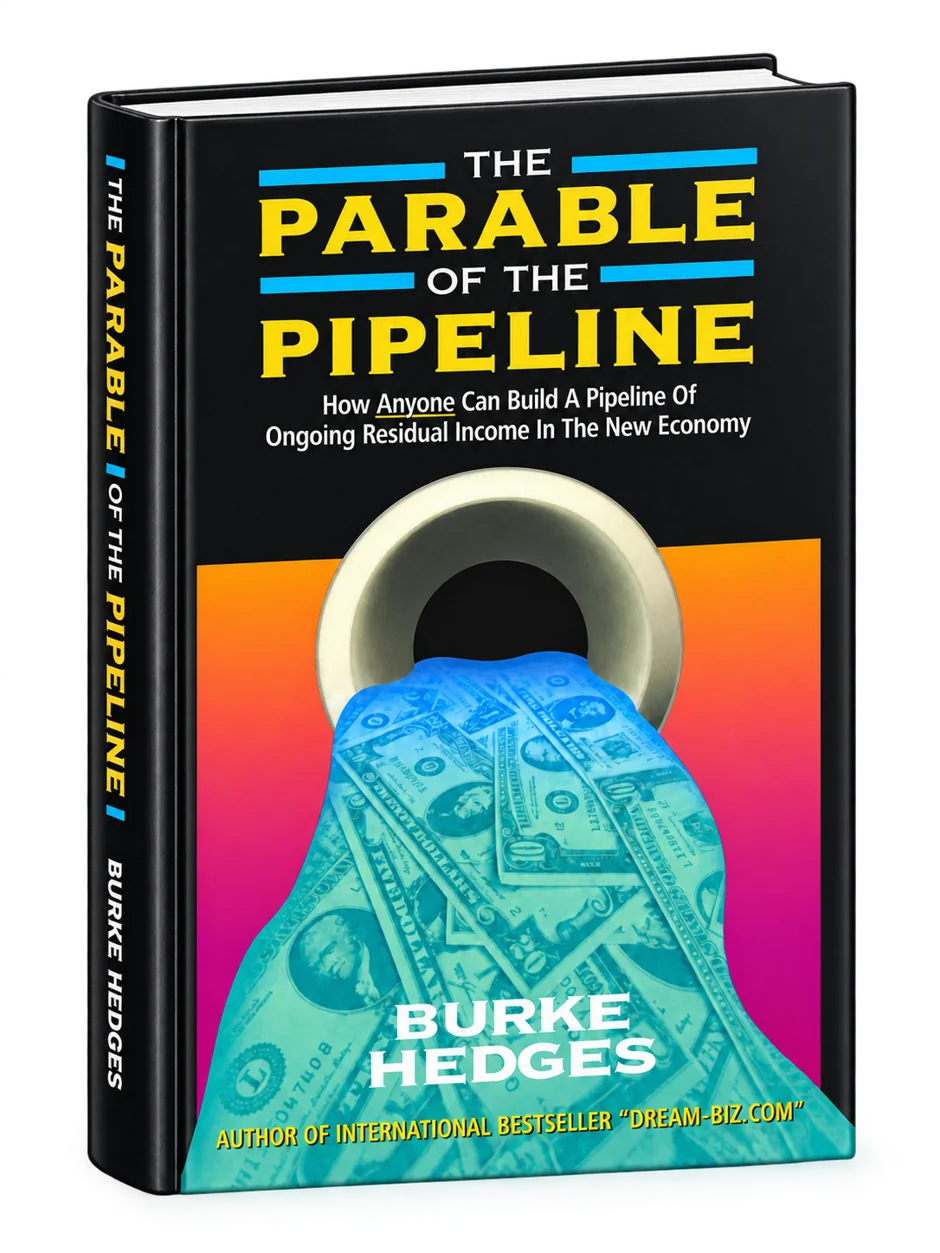
A free place to start
One chapter. Free.
Read the introduction and first chapter from The Parable of the Pipeline. Not from Who Stole the American Dream?
Free Preview: The Parable of the Pipeline
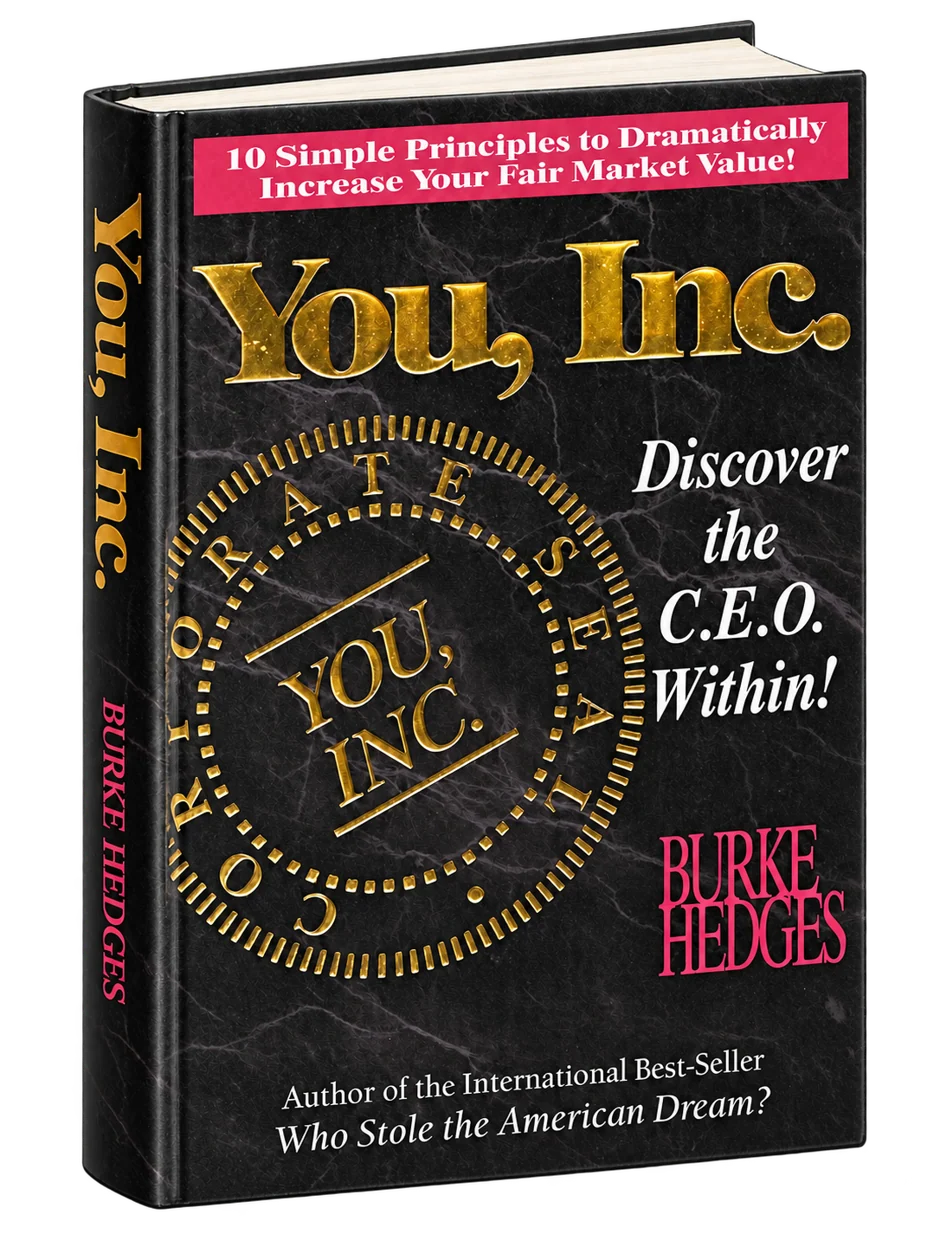
The digital trilogy
Three books. One argument.
Pipeline is the why. Copycat is the how. You, Inc. is the who. Start with all three.
See the Trilogy — $19.95The book that started it all
The facts can change.
The questions still matter.
Get a message when Burke's updated edition is ready — or start reading his work today.